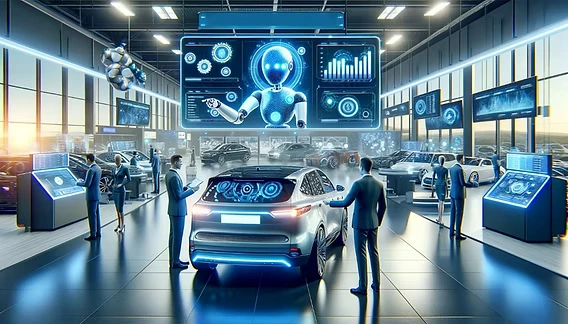
Artificial Intelligence (AI) is no longer a futuristic concept—it’s already transforming industries, and the automotive retail sector is no exception. Car dealerships are under constant pressure to adapt to changing consumer behavior, manage competitive pricing, and deliver exceptional customer experiences. By leveraging AI, dealerships can gain an edge, boost sales performance, and build stronger customer relationships.
In this blog, we’ll explore how AI is reshaping dealership operations, training, and sales strategies.
1. Understanding the Role of AI in Dealership Sales
AI is not designed to replace salespeople—it’s meant to empower them. With advanced data analytics, machine learning, and predictive capabilities, AI can help sales teams make smarter decisions, engage customers more effectively, and streamline the sales process.
At its core, AI enables dealerships to move from guesswork to data-driven strategies, resulting in higher efficiency and better customer satisfaction.
2. Enhancing Customer Insights with Predictive Analytics
AI can analyze large volumes of customer data, such as browsing behavior, purchase history, and demographic details. This allows dealerships to:
- Identify which leads are most likely to convert.
- Personalize offers based on customer interests.
- Anticipate customer needs before they even walk into the showroom.
By leveraging predictive analytics, sales teams can prioritize high-quality leads and tailor their approach, increasing the chances of closing deals faster.
3. Personalizing the Customer Experience
Today’s car buyers expect a personalized journey. AI-powered tools help dealerships deliver experiences that resonate with each customer by:
- Recommending vehicles based on preferences and budget.
- Customizing financing options.
- Automating follow-up emails and reminders tailored to the buyer’s journey.
Personalization builds trust, reduces friction in the sales process, and makes customers feel valued—ultimately driving higher conversion rates.
4. Optimizing Sales Training with AI
AI is also revolutionizing how dealership sales teams are trained. Instead of generic training programs, AI-based platforms can:
- Track individual sales performance in real time.
- Identify skill gaps in communication, product knowledge, or negotiation.
- Deliver personalized training modules to strengthen weaknesses.
This ensures every sales consultant gets the right coaching at the right time, leading to consistent team improvement and stronger sales results.
5. Automating Routine Tasks for Greater Efficiency
Salespeople often spend a significant amount of time on repetitive tasks such as updating CRM entries, scheduling test drives, or managing follow-ups. AI-driven automation tools can handle these tasks, allowing sales consultants to focus on what they do best—building relationships and closing deals.
Automation reduces human error, increases productivity, and ensures no lead slips through the cracks.
6. Improving Inventory Management and Pricing
AI helps dealerships analyze local market trends, competitor pricing, and consumer demand in real time. This allows managers to:
- Optimize inventory levels.
- Adjust pricing strategies dynamically.
- Match vehicles to customer demand more effectively.
By aligning inventory with market insights, dealerships can reduce overhead costs while boosting profitability.
7. Enhancing Post-Sales Engagement
AI doesn’t stop working once the sale is complete. It helps dealerships maintain long-term customer relationships through:
- Predictive maintenance reminders.
- Automated service appointment scheduling.
- Personalized loyalty offers.
This ensures customers return for service, upgrades, and future purchases—maximizing customer lifetime value.